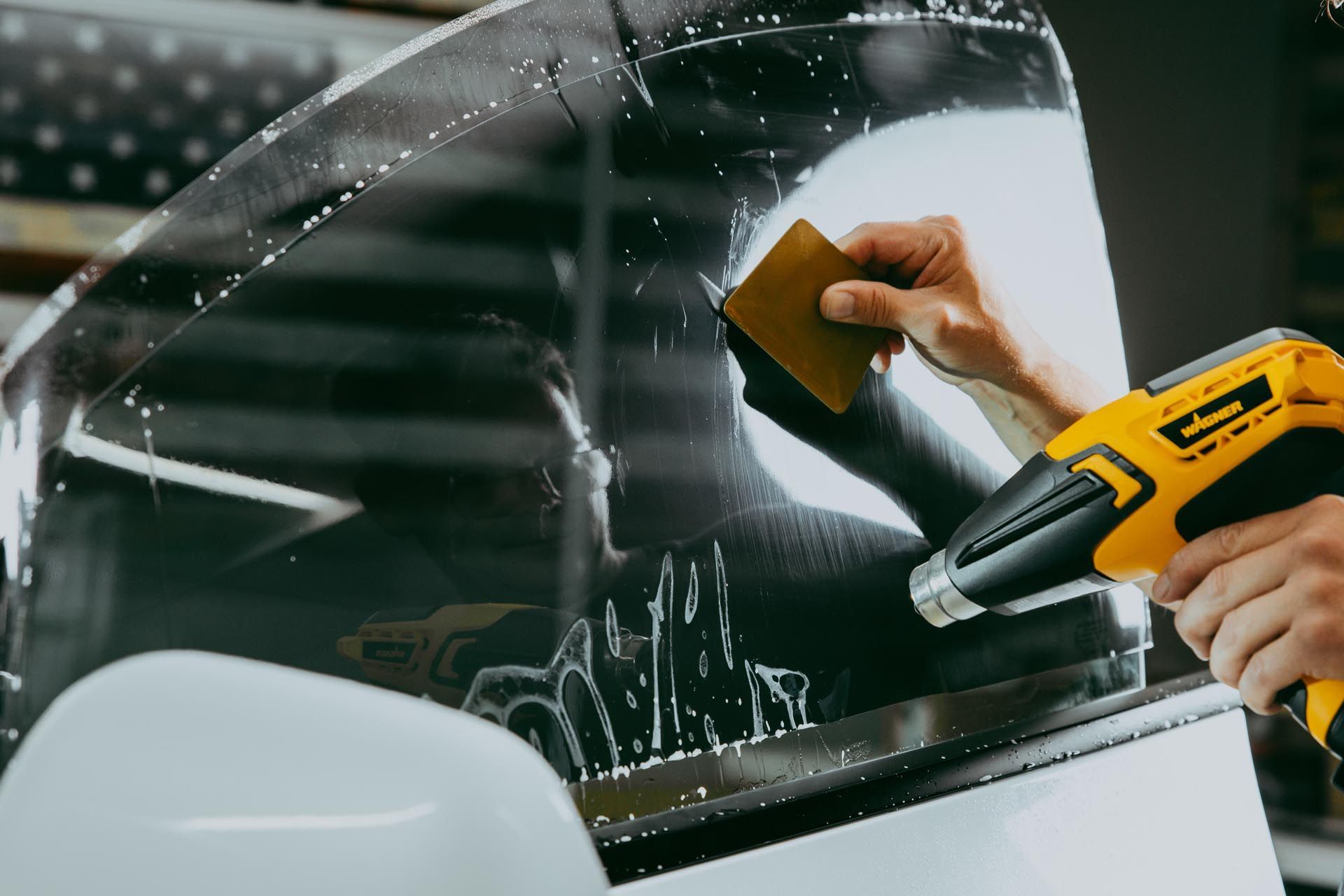
How to Maintain Your Window Tint and Keep It Looking Great for Years in Norton Shores, MI
You paid for tint that looks clean and cuts the glare, so you want it to stay that way. Good window tint maintenance is the difference between film that still looks sharp in five years and film that bubbles, peels, or turns hazy. The good news is that caring for your tint is simple once you know a few window tint care tips that most drivers never hear.
Here in Norton Shores, our windows take a beating. Bright summer sun off Lake Michigan, road salt all winter, and big temperature swings in between. This guide walks you through how to protect your investment through all of it.
Wait Before You Roll Your Windows Down
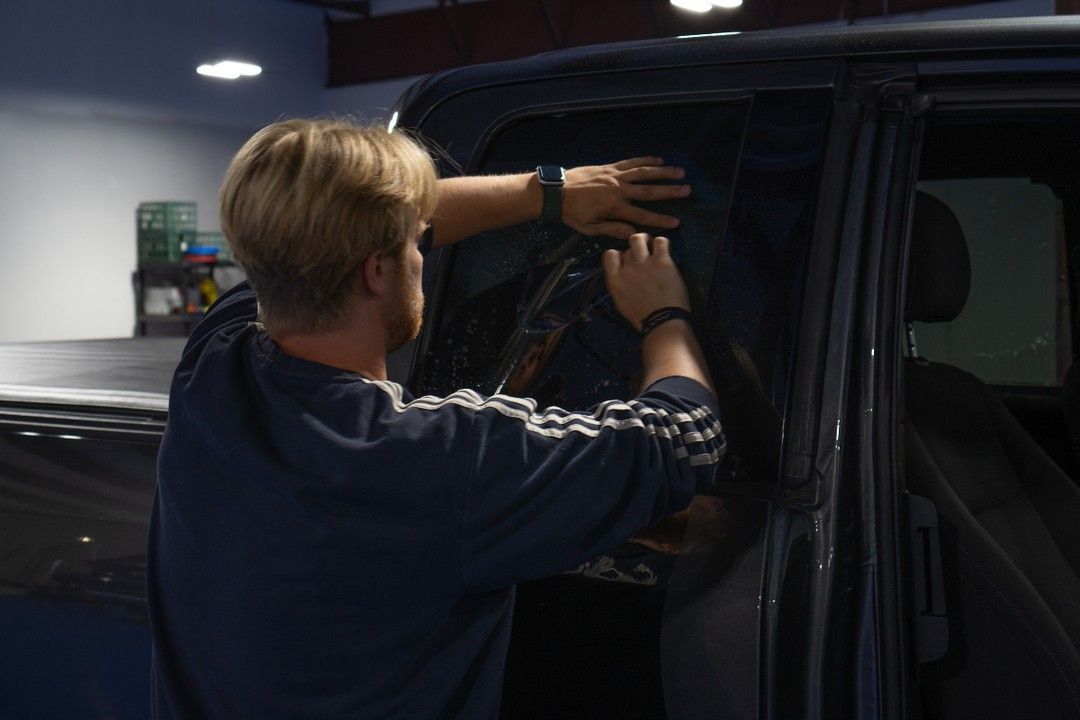
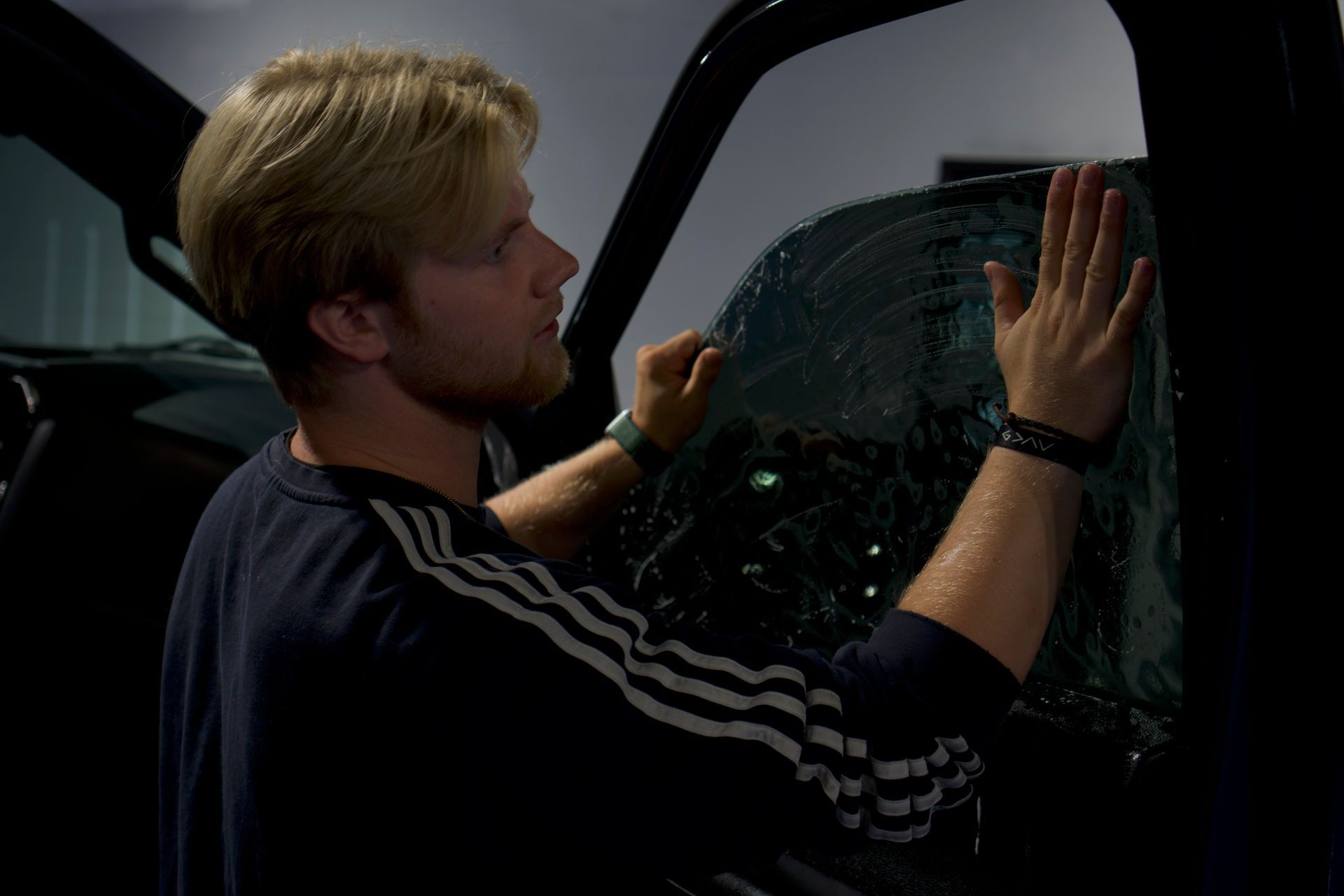
Fresh tint needs time to cure. The film goes on with water and adhesive, and that moisture has to fully dry before the tint bonds to the glass.
Keep your windows up for the first few days after installation. Rolling them down too early can shift the film, create bubbles, or peel an edge. Cure time depends on the weather, and cooler, cloudier West Michigan days can make it take longer. If you're unsure, just ask us how long to wait for your specific film.
You may also notice a slight haze or small water pockets in the first week or two. That is normal. It clears on its own as the film dries, so resist pressing or wiping it away.
Never Use Ammonia on Tinted Windows
This is the biggest mistake we see. Many popular glass cleaners contain ammonia, and ammonia breaks down tint film over time. It can cause the film to fade, discolor, and lift at the edges.
Check the label before you spray anything on your tinted glass. If it lists ammonia, keep it for your home mirrors and use something else on the car. An ammonia-free glass cleaner, or even plain water with a drop of mild soap, is all you need.
How to Clean Tinted Windows the Right Way
Cleaning tinted windows is easy when you use soft materials and a gentle touch. Here is the best way to clean tinted windows without scratching the film:
- Spray an ammonia-free cleaner onto a clean microfiber towel, not directly onto the glass. This keeps liquid from seeping into the window seals.
- Wipe gently in straight lines. Skip paper towels and rough rags, since they can leave fine scratches.
- Use a second dry microfiber towel to buff the glass clear.
- Clean the inside of your windows only after the tint has fully cured.
A quick wipe every couple of weeks keeps the film looking crisp and helps you spot small issues early.
Does Window Tint Fade?
Cheap film fades. Quality film holds up. Lower-grade dyed tints are the ones known for fading, discoloring, and going cloudy after a few summers.
Better films use ceramic technology built to hold their color. The premium Autobahn ceramic films we install, like Ceramic i3, use a color-stable design made to resist fading and discoloration over time. Regular care makes an even bigger difference, so the maintenance steps above directly protect how your tint ages.
How Long Does Windows Tint Last?
With good film and proper care, window tint can last many years. The exact lifespan depends on the quality of the film, how it was installed, and how well you maintain it.
Poorly installed or low-quality tint may start failing within a couple of years. Quality film that is professionally installed and cared for can look great far longer. Many premium films also come with a manufacturer warranty, so ask us about the coverage on the film you choose.
The two things most in your control are the cleaner you use and how gentle you are with the film. Get those right, and you set your tint up to go the distance.
Protecting Your Tint Through West Michigan Seasons
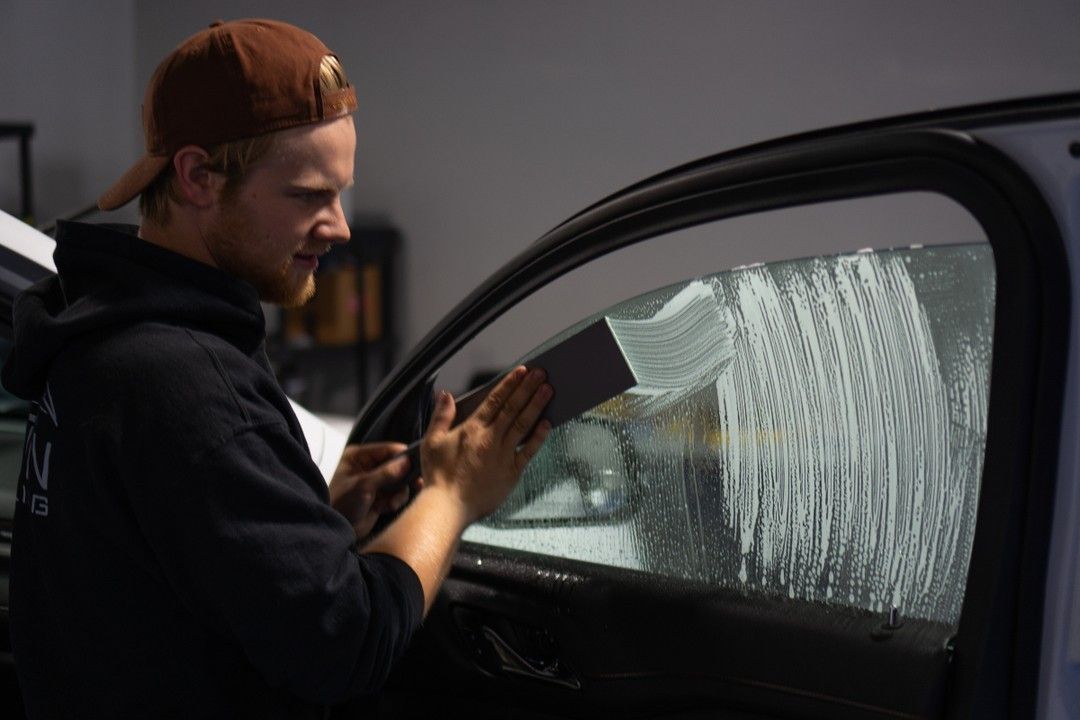
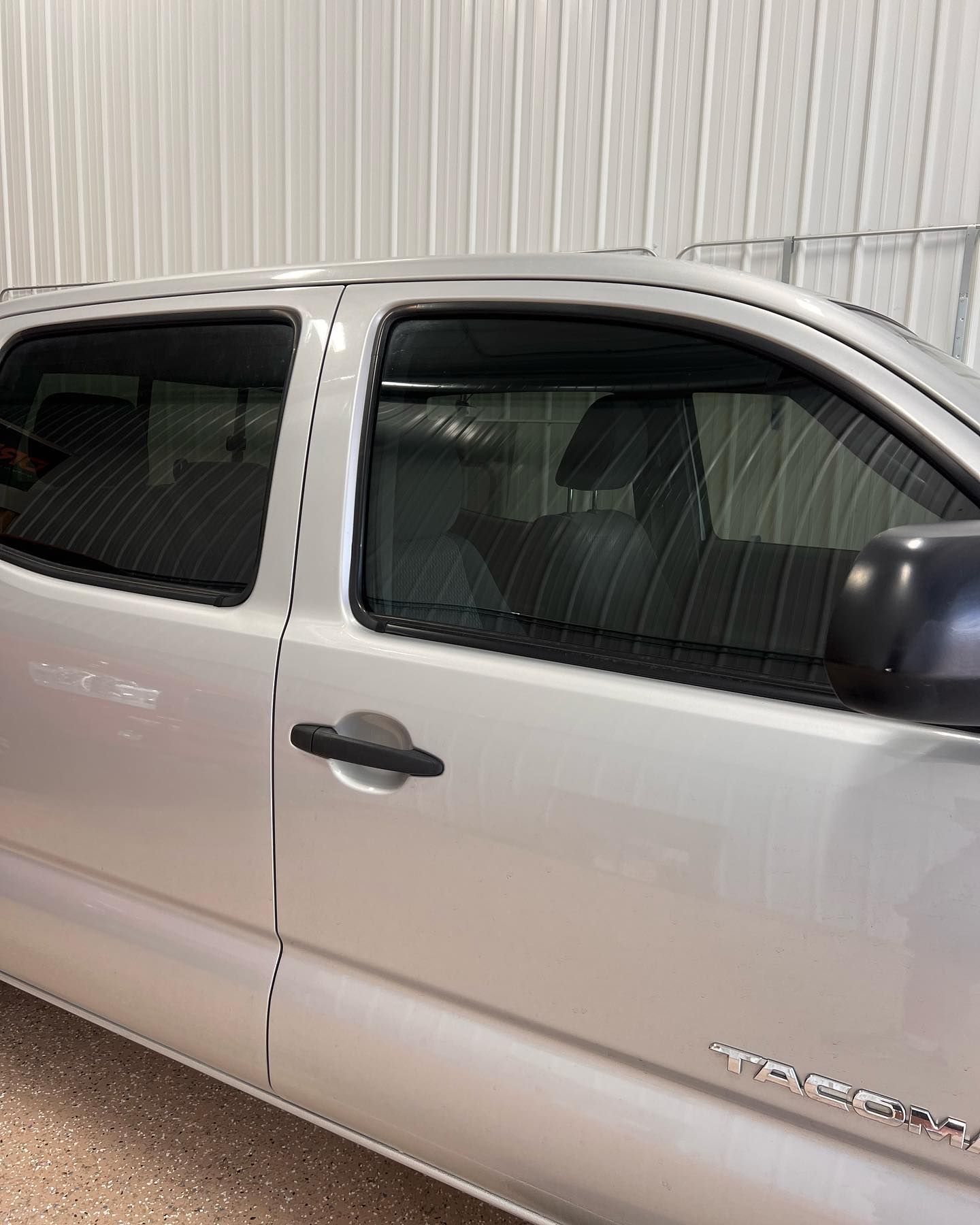
Our seasons put real stress on your tint, so a little seasonal attention goes a long way.
In summer, park in the shade whenever you can. Constant direct sun speeds up wear on any film. In winter, be careful scraping ice off the inside of your windows, since a stiff scraper can gouge the tint. Let your defroster do the work instead, then wipe the glass with a soft towel.
Road salt and grime also build up fast around here. Keeping your windows clean through the colder months protects both the tint and the seals around it.
Signs Your Tint Needs a Look
Catch small problems before they spread. Bring your car in if you notice bubbling that does not clear after the cure period, peeling or lifting edges, discoloration, or cloudiness you cannot clean away.
These are signs the film is failing or was not applied correctly, and the sooner we see it, the easier it is to fix. If it is time for a fresh install, our automotive window tinting packages cover everything from a windshield strip to full-vehicle coverage.
Book Your Window Tinting Service in Norton Shores, MI
Keep your tint looking factory-fresh for years to come. Whether your current film is fading and needs replacing, or you want quality Autobahn tint installed right the first time, the team at Premier Auto Styling in Norton Shores is ready to help. Call us today at 616-612-1218 or get your free quote here to book your window tinting service.
FAQ
How do I clean window tint without damaging it?
Use an ammonia-free glass cleaner and a soft microfiber towel. Spray the towel, not the glass, and wipe gently in straight lines. Avoid paper towels, rough cloths, and any cleaner with ammonia.
Does window tint fade over time?
Low-quality dyed film can fade and discolor after a few years. Quality ceramic films are built to resist fading and hold their color much longer, especially with regular gentle cleaning.
How long does window tint last?
It varies by film quality, installation, and care. Professionally installed quality film that is properly maintained can last many years, and many premium films come with a manufacturer warranty.
How soon can I roll my windows down after tinting?
Wait until the film fully cures, which usually takes several days depending on the weather. Rolling windows down too early can cause bubbles or peeling. Ask us for the exact time on your film.
What cleaner should I avoid on tinted windows?
Any cleaner with ammonia. Ammonia breaks down tint film and causes fading, discoloration, and lifting edges over time.