Is Paint Protection Film Worth It for Daily Drivers and EVs in Michigan?
A practical breakdown of how Michigan driving conditions affect paint, and when paint protection film makes sense for daily drivers and electric vehicles.
For many Michigan drivers, paint damage isn’t the result of an accident — it’s the result of everyday use. Regular highway driving, road construction, loose gravel, winter salt, and constant freeze–thaw cycles gradually wear down a vehicle’s exterior long before most owners notice visible issues.
Paint Protection Film (PPF) has become an increasingly common solution for daily drivers and electric vehicles, especially in regions where vehicles are exposed to harsher conditions year-round. Modern PPF is a clear, durable urethane film designed to absorb impact, resist abrasion, and protect painted surfaces from chips, scratches, and environmental damage while remaining virtually invisible once installed.
Driving conditions in Michigan place unique demands on vehicle paint. Roads in the region see heavier winter maintenance, higher debris levels, and greater seasonal wear than many other parts of the country. Over time, this exposure can lead to chipped clear coat, corrosion-prone paint damage, and costly cosmetic repairs. For EV owners, these concerns are often amplified by heavier vehicle weight, instant torque, and higher repair costs associated with specialized body panels.
Paint protection film isn’t about keeping a car perfect — it’s about reducing avoidable damage and preserving the vehicle you rely on every day. In this guide, we’ll explain how PPF works, why Michigan driving conditions matter, and how daily drivers and EV owners can decide whether paint protection film makes sense for their vehicle and driving habits.
What Paint Protection Film Is (and What It Isn’t)
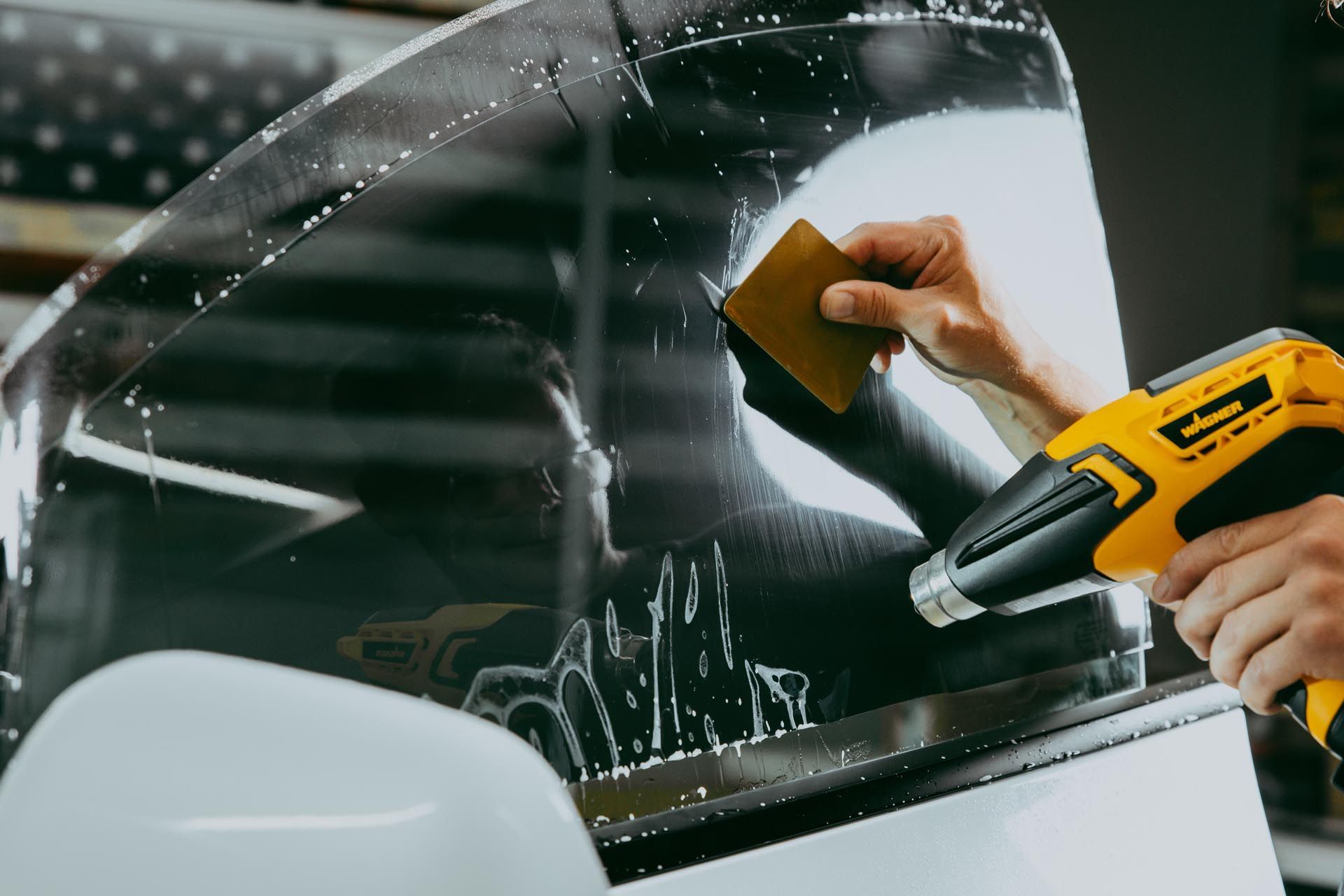
Paint Protection Film, often referred to as PPF or “clear bra,” is a transparent urethane film applied to painted exterior surfaces to protect against physical damage. It’s engineered to absorb impact and abrasion that would otherwise damage a vehicle’s clear coat and paint.
Modern PPF is far more advanced than earlier versions. Today’s films are optically clear, resistant to yellowing, and flexible enough to conform to complex body lines. Many premium films also feature self-healing properties, meaning light scratches and swirl marks can disappear with heat from the sun or warm water.
At its core, PPF acts as a sacrificial layer. Instead of rocks, road debris, or salt impacting your paint directly, they strike the film first. Over time, the film takes the abuse so the paint underneath doesn’t have to.
What PPF Protects Against
- Paint protection film is designed to help prevent:
- Rock chips and gravel impact from highway driving
- Abrasion from road debris and winter sand
- Minor scratches from normal use
- Damage caused by road salt and chemical exposure
- Clear coat wear in high-impact areas
For daily drivers and EVs that see consistent mileage, this kind of protection can significantly slow the visible wear that accumulates over years of driving.
What PPF Does Not Do
It’s just as important to understand what paint protection film isn’t.
PPF:
- Does not make a vehicle damage-proof
- Does not replace safe driving or parking habits
- Does not prevent dents or severe impact damage
- Is not a substitute for proper washing and maintenance
Paint protection film is preventative, not indestructible. Its purpose is to reduce everyday damage — not eliminate all risk.
How PPF Differs From Other Paint Protection Options
PPF is often compared to ceramic coatings or traditional waxes, but they serve different roles.
- Wax and sealants primarily enhance gloss and offer short-term environmental protection
- Ceramic coatings improve chemical resistance and make vehicles easier to clean
- Paint Protection Film provides physical impact protection
For Michigan drivers, especially those commuting daily or driving heavier electric vehicles, PPF addresses the type of damage that coatings alone can’t prevent.
Why Michigan Driving Conditions Are Especially Hard on Vehicle Paint
Vehicle paint doesn’t wear evenly across the country. In Michigan, a combination of climate, road maintenance, and driving patterns creates an environment where paint damage occurs more quickly and aggressively than many drivers expect.
One of the biggest contributors is road salt and winter maintenance materials. During Michigan winters, salt, sand, and gravel are used extensively to keep roads drivable. While effective for safety, these materials are highly abrasive. At highway speeds, small pieces of gravel and sand act like projectiles, repeatedly striking high-impact areas such as the front bumper, hood, fenders, mirrors, and rocker panels.
Beyond winter, construction zones and seasonal road repairs add another layer of exposure. Loose aggregate, uneven pavement, and debris kicked up by traffic increase the likelihood of rock chips and paint abrasion throughout much of the year. For daily drivers, this kind of damage accumulates gradually — often becoming noticeable only after clear coat failure has already begun.
Michigan’s freeze–thaw cycles also play a role. As temperatures fluctuate, moisture works its way into small paint chips and imperfections. Over time, this can accelerate clear coat breakdown and increase the risk of corrosion, especially in areas already weakened by impact damage.
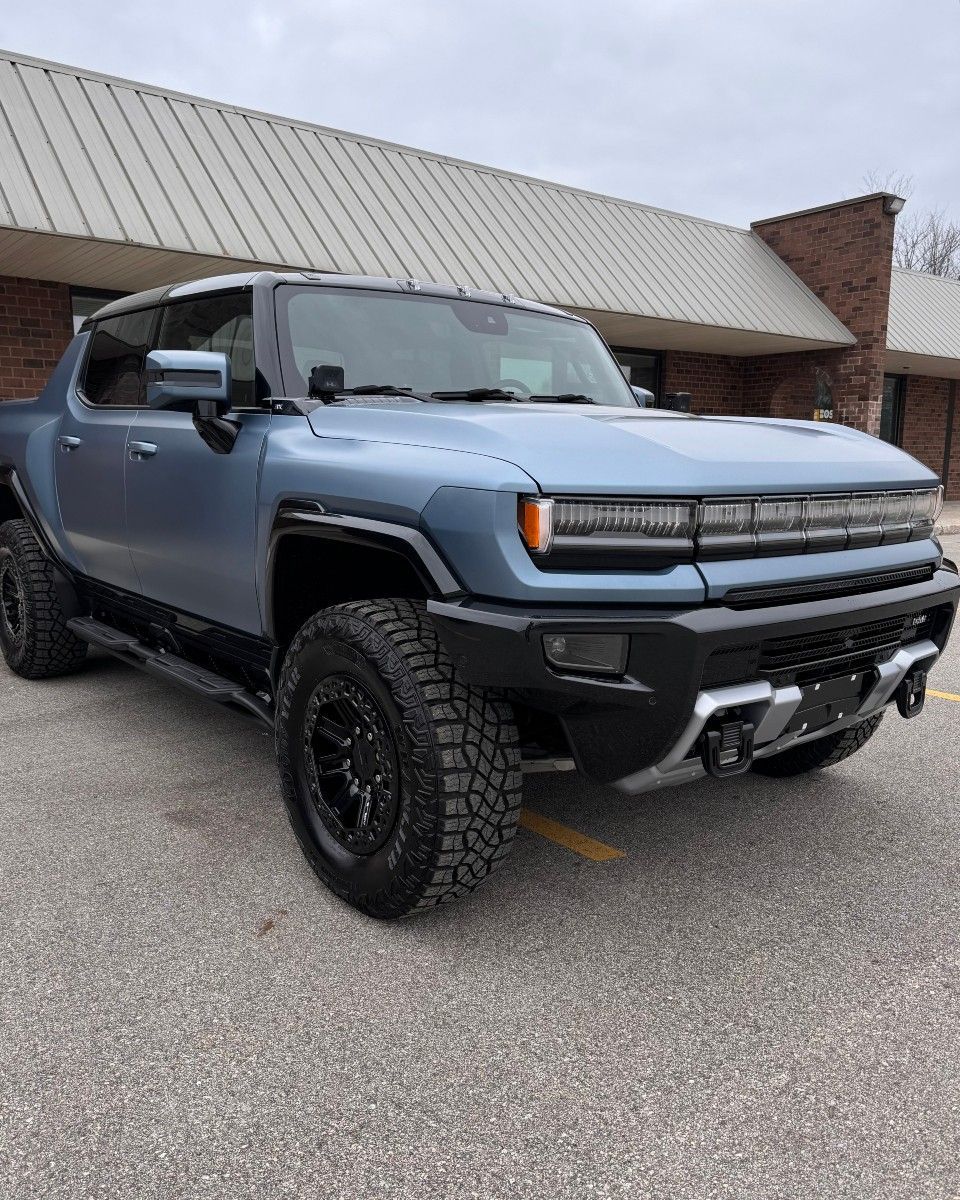
Electric vehicles face many of these same challenges, often at a higher intensity. EVs tend to be heavier due to battery weight, which can increase debris kick-up and stress on lower-body panels. Instant torque can contribute to increased wear on front-end surfaces, while specialized paint finishes and body materials can make cosmetic repairs more expensive than in traditional vehicles.
Taken together, these factors mean that paint damage in Michigan isn’t the result of neglect — it’s a byproduct of normal driving. For vehicles that see regular use, especially daily drivers and EVs, high-impact areas are constantly exposed to conditions that gradually erode paint protection over time.
How Paint Protection Film Helps Daily Drivers and EVs Manage Long-Term Wear
For vehicles driven regularly in Michigan, the goal isn’t to avoid exposure — it’s to manage it. Paint Protection Film works by creating a physical barrier between your vehicle’s paint and the conditions that cause the most long-term damage.
Unlike coatings or waxes, which primarily protect against chemical exposure and make cleaning easier, PPF is designed to handle impact and abrasion. When gravel, road debris, or winter sand strikes the vehicle, the film absorbs the impact rather than allowing it to chip or fracture the clear coat beneath. This is especially valuable for high-impact areas that take repeated hits during daily commuting.
Modern PPF is flexible and resilient, allowing it to conform to complex body panels while maintaining durability. Many films also feature self-healing technology, meaning light scratches caused by normal use can diminish or disappear with exposure to heat. For daily drivers, this helps maintain a cleaner appearance without constant correction or polishing.
Electric vehicles often benefit even more from this type of protection. EVs typically carry more weight due to battery systems, which can increase the amount of debris kicked up at speed. Combined with instant torque and frequent highway use, the front-end surfaces and lower panels tend to wear out more quickly. PPF helps reduce this cumulative damage while protecting paint finishes that are often costly to repair or repaint.
Another advantage of paint protection film is its longevity. When properly installed and maintained, PPF provides years of consistent protection without altering the vehicle's appearance. It’s nearly invisible once applied, allowing daily drivers and EV owners to preserve factory paint rather than repeatedly correcting or repainting it as damage accumulates.
In practical terms, paint protection film doesn’t eliminate wear entirely — but it significantly slows the process. For Michigan drivers, that often means fewer chips, less visible abrasion, and better paint condition over the long term, especially in areas most exposed to everyday driving.
Common Paint Protection Film Coverage Options for Daily Drivers and EVs
Paint protection film doesn’t have to be an all-or-nothing decision. Most daily drivers and EVs benefit from coverage that’s tailored to how and where the vehicle is driven. To make that decision easier, PPF coverage is often grouped into tiers based on protection level and long-term goals.
Below is a practical breakdown of common coverage approaches for Michigan drivers.
Essential Coverage
Best for: Light commuting, lower annual mileage, budget-conscious protection
Essential coverage focuses on the most vulnerable areas of the vehicle:
- Front bumper
- Partial hood
- Headlights
- Side mirrors
This option helps reduce visible rock chips and impact damage from everyday driving. It’s a good entry point for drivers who want protection in the highest-impact areas without covering larger surfaces.
Standard Coverage
Best for: Regular commuters and highway driving
Standard coverage expands protection to include:
- Full front bumper
- Full hood
- Front fenders
- Headlights
- Side mirrors
This is one of the most popular choices for daily drivers and EVs in Michigan. It protects the entire front end, where road debris, winter gravel, and salt cause the most damage over time, while keeping the rest of the vehicle unchanged.
Daily Driver Coverage
Best for: High-mileage vehicles and long-term ownership
Daily Driver coverage builds on front-end protection and extends PPF to areas that often show wear sooner than expected:
- Rocker panels
- Lower doors
- Rear wheel impact zones
- High-contact areas like door cups
For Michigan drivers who rack up miles year-round, this coverage helps manage cumulative wear beyond just the front of the vehicle. EV owners often choose this option due to increased debris contact along lower body panels.
Premier Coverage
Best for: Maximum preservation and extended ownership
Premier coverage applies paint protection film to nearly all painted exterior surfaces. This level of protection is typically chosen by:
- Owners planning to keep their vehicle long-term
- Drivers focused on maintaining paint condition and resale value
- EV owners with higher repair costs or specialized finishes
While not necessary for every vehicle, Premier coverage offers the most comprehensive protection against the wear that accumulates over years of Michigan driving.
Rather than choosing coverage based on appearance alone, most drivers benefit from focusing protection where damage is most likely to occur. For daily drivers and EVs, selecting the right coverage level can significantly reduce long-term paint wear while preserving the vehicle’s original finish.
Is Paint Protection Film Worth the Cost for Daily Drivers and EVs?
For most drivers, the decision to install paint protection film comes down to one question: does the cost of protection make sense compared to the cost of living with — or repairing — paint damage over time?
In Michigan, paint damage from normal driving is largely unavoidable. Rock chips, winter gravel, and road salt gradually wear down high-impact areas, especially on vehicles driven daily. Once clear coat is compromised, paint damage often worsens rather than stabilizes, leading to visible deterioration and, in some cases, corrosion-related issues.
Repairing paint damage is rarely as simple or inexpensive as it appears. Touch-up work can help cosmetically, but it often doesn’t fully restore factory finishes. Larger repairs, such as repainting a bumper, hood, or fender, can be costly and may involve blending adjacent panels to achieve a uniform appearance. For EVs in particular, specialized materials and finishes can further increase repair complexity and expense.
Paint protection film shifts this equation by reducing the likelihood of needing cosmetic repairs in the first place. Instead of repeatedly correcting damage as it appears, PPF absorbs impact and abrasion over time, preserving the original paint underneath. For daily drivers and EVs that accumulate miles year-round, this can translate into fewer repairs, less visible wear, and better long-term paint condition.
That said, PPF isn’t necessary for every vehicle. Drivers with very limited mileage, short ownership timelines, or minimal highway exposure may see less long-term benefit. However, for commuters, EV owners, and those planning to keep their vehicle for several years, paint protection film often becomes a preventative investment rather than a cosmetic upgrade.
Ultimately, the value of PPF isn’t measured by perfection — it’s measured by avoided damage. For many Michigan drivers, protecting high-impact areas early can help preserve both the appearance and usability of the vehicle over the long term.
How to Decide If Paint Protection Film Is Right for Your Vehicle
Paint protection film isn’t a one-size-fits-all solution, and deciding whether it makes sense depends less on the type of vehicle and more on how it’s used. For daily drivers and EVs in Michigan, a few practical considerations can help clarify whether PPF is the right choice.
Start by looking at how often and where you drive. Vehicles that spend a lot of time on highways, near construction zones, or on winter-treated roads are exposed to significantly more debris than those driven occasionally or locally. Higher mileage generally means more impact events over time, especially on front-facing and lower panels.
Next, consider how long you plan to keep the vehicle. Owners planning to keep the same car for several years often see the greatest benefit from paint protection film, as it slows cumulative wear and helps preserve the factory paint finish over the long term. EV owners, in particular, tend to keep vehicles longer, making preventative protection more relevant.
It’s also worth factoring in repair tolerance and expectations. Some drivers are comfortable with small chips and cosmetic wear, while others prefer to avoid visible damage altogether. PPF doesn’t eliminate wear completely, but it significantly reduces the type of damage that leads to repainting or repeated correction.
Finally, think about where protection matters most. For many daily drivers and EVs, focusing on high-impact areas — rather than full-vehicle coverage — provides the best balance of cost, appearance, and long-term value.
Paint protection film is most effective when it’s viewed as part of an ownership strategy, not an aesthetic upgrade. In Michigan’s driving environment, protecting vulnerable areas early can help reduce unnecessary wear and preserve the condition of a vehicle that’s meant to be driven, not hidden.